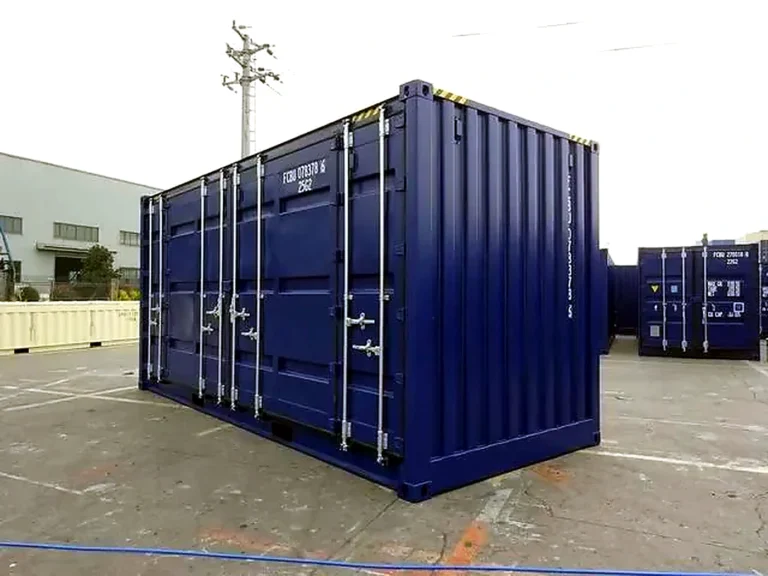
What Are New Shipping Containers?
New shipping containers are steel containers in excellent condition, designed for transporting cargo or providing secure storage. In the U.S. market, the term often refers to one-trip shipping containers, which are manufactured overseas, loaded with cargo for a single journey, and then sold after arriving at their destination.
These containers typically have cleaner interiors, newer door seals, and less visible wear than older used units. Minor scratches or handling marks may still be present.
Before purchasing, confirm whether a supplier is offering a genuinely unused container or a one-trip unit, as the terms are not always used consistently. <Cite refs={[“turn894672search0″,”turn894672search8”]}/>
Benefits of Buying New Shipping Containers
Choosing a new or one-trip shipping container offers several advantages for buyers who want quality, appearance, and versatility.
1. Excellent Condition
New shipping containers generally have minimal wear, fewer dents, and less visible corrosion. This makes them an attractive option for buyers who want a clean and professional-looking storage solution.
2. Reliable Weather Protection
Newer door seals, intact panels, and a well-maintained roof can help protect stored goods from ordinary weather exposure. As with any container, inspect the unit before purchase to verify its condition.
3. Ideal for Custom Modifications
New shipping containers provide a clean starting point for projects such as workshops, storage facilities, mobile offices, and retail spaces. Buyers can plan modifications around the container’s intended purpose.
Structural modifications, insulation, electrical work, and other installations should be properly designed and may require permits.
4. Less Initial Maintenance
Because new or one-trip containers typically have less wear, they may require fewer immediate repairs than older used units. However, ongoing inspections and maintenance are still important for long-term use.
5. Multiple Sizes and Configurations
New shipping containers are available in common sizes, including 20ft and 40ft models. High cube containers provide additional vertical space for bulky equipment and conversion projects.
Types of New Shipping Containers for Sale
Different container types serve different storage and transportation needs.
- 20ft shipping containers: Suitable for household storage, tools, equipment, and small-business inventory.
- 40ft shipping containers: Provide more floor space for larger storage requirements and commercial applications.
- 40ft high cube containers: Offer additional height for tall items, shelving, and specialized conversions.
- Refrigerated containers: Designed for temperature-controlled applications involving suitable perishable goods.
- Open-top containers: Allow loading from above for certain oversized cargo and materials.
Standard dry containers are generally the most practical option for everyday storage. Specialty models may cost more because of their additional features and equipment.
How Much Do New Shipping Containers Cost?
New shipping container prices depend on the container size, specifications, supplier, and delivery location.
For budgeting purposes, indicative U.S. base-price estimates may be:
| Container Type | Approximate Price |
|---|---|
| New or one-trip 20ft container | $2,500–$3,500 |
| New or one-trip 40ft container | $3,700–$5,125 |
| New or one-trip 40ft high cube | $3,700–$5,500+ |
These figures are estimates rather than guaranteed current prices. Actual offers vary by supplier and availability, and delivery, unloading, taxes, and modifications may cost extra.
To understand the total cost, request a delivered quote for your ZIP code and confirm exactly which container condition is included.
New vs. Used Shipping Containers: Which Is Better?
The choice between new and used shipping containers depends on your budget and intended use.
| Feature | New or One-Trip | Used |
|---|---|---|
| Initial cost | Generally higher | Generally lower |
| Appearance | Cleaner, with minimal wear | Varies by condition |
| Previous use | Typically one cargo journey for one-trip units | May have years of service |
| Initial repairs | Often fewer | Depend on condition |
| Best applications | Visible locations and conversions | General storage and budget-conscious projects |
If you need a clean container for a business location or custom conversion, a new or one-trip unit may be worth the extra expense. For basic equipment storage, a properly inspected used container may offer better value.
What to Check Before Buying a New Shipping Container
Even when purchasing a new or one-trip container, inspect the unit and verify the supplier’s claims.
- Confirm the condition: Ask whether the container is factory-new or one-trip.
- Inspect the exterior: Check for dents, scratches, corrosion, and handling damage.
- Examine the roof and seals: Look for signs of damage that could allow water to enter.
- Test the doors: Make sure the doors open, close, and lock correctly.
- Check the floor and interior: Confirm that they are suitable for your intended storage or conversion project.
- Verify the dimensions: Ensure the container fits your property and storage requirements.
- Review delivery costs: Ask whether transportation and final placement are included.
A reputable supplier should provide accurate specifications, clear pricing, and information about the actual container being sold.
How to Choose the Right Shipping Container Supplier
When searching for new shipping containers for sale, compare several suppliers rather than relying on the advertised price alone.
Look for businesses that provide:
- Clear container specifications and condition descriptions
- Transparent purchase and delivery pricing
- Recent photographs or inspection options
- Reliable delivery arrangements
- Written purchasing terms and applicable warranties
Confirm the supplier’s availability before making payment, and ensure the quote identifies any additional charges.
Arrange Delivery for Your New Shipping Container
Before your container arrives, prepare a suitable placement area. The ground should be stable and level, with appropriate drainage to help prevent water accumulation.
Check that the delivery vehicle has enough room to enter, maneuver, and unload. Low branches, overhead wires, narrow entrances, and soft ground can complicate delivery.
Ask your supplier about the required access space and unloading equipment. You should also check local zoning rules and building regulations, particularly if you plan to install the container permanently or convert it into a usable building.
Find the Right New Shipping Container for Your Needs
New shipping containers offer a durable, versatile solution for residential storage, commercial inventory, construction equipment, and custom projects. Their clean appearance and minimal wear make them especially appealing to buyers who want a high-quality starting point.
Before making a purchase, compare container sizes, verify the condition, review delivery requirements, and request a complete quote.
Ready to buy? Explore new shipping containers for sale and compare available 20ft, 40ft, and high cube options to find the right container for your project.