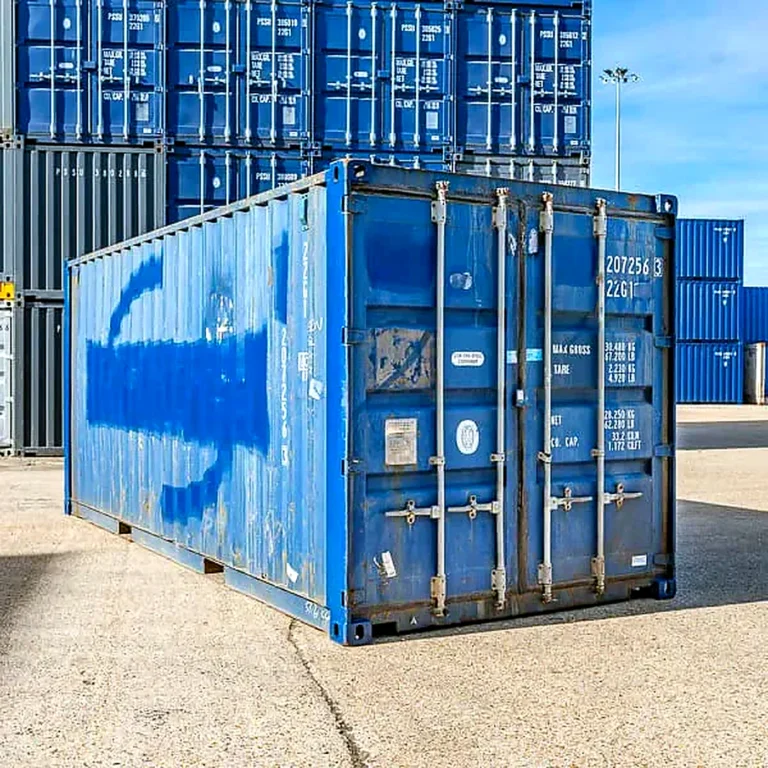
What to Check Before Buying a Used Shipping Container
Looking to buy used shipping containers at an affordable price? Used shipping containers can provide a practical and cost-effective solution for storage, construction, agriculture, and commercial applications. However, before making a purchase, it’s important to inspect the container’s condition, verify its specifications, and understand the total cost.
A container with structural damage, leaking doors, or a deteriorated floor may require expensive repairs. By knowing what to check before buying, you can choose a reliable container that meets your needs and provides good long-term value.
In this guide, we’ll cover the essential inspection points, common warning signs, and buying tips to help you make an informed decision.
1. Inspect the Exterior for Rust and Damage
The first step when buying a used shipping container is examining its exterior. Shipping containers are built from durable steel, but years of exposure to weather and transportation can cause corrosion, dents, and other damage.
Pay close attention to the walls, roof, corner posts, and bottom rails. Surface rust may be manageable, but deep corrosion, holes, or damaged structural components can compromise the container’s integrity.
Look for:
- Excessive rust or corrosion
- Holes in the steel panels
- Deep dents or warped walls
- Damaged corner posts or bottom rails
- Signs of poor-quality repairs or patchwork
Ask the seller about any visible damage and request additional photographs if you cannot inspect the container in person.
2. Check the Roof for Leaks
The roof is one of the most important areas to inspect when purchasing a used shipping container. Roof damage can allow water to enter and damage stored equipment, furniture, inventory, and other belongings.
Look for dents that collect water, holes, corroded areas, and evidence of previous repairs. If possible, inspect the inside of the container for water stains, damp areas, or visible daylight coming through the roof.
A container intended for outdoor storage should provide suitable protection from ordinary weather conditions. Ask the supplier whether the unit has been inspected for leaks and whether any repairs have been completed.
3. Test the Doors and Locking Mechanisms
Shipping container doors should open and close properly. Damaged hinges, misaligned doors, and worn locking mechanisms can make the container difficult to use and compromise security.
Before buying, check that:
- Both doors open and close smoothly.
- Locking bars move correctly.
- Hinges are secure and not excessively corroded.
- Door seals are intact.
- The locking points are not bent or damaged.
If the doors are difficult to operate, ask the seller to explain the cause. Minor issues may be repairable, but substantial damage can increase your overall cost.
4. Inspect the Interior and Flooring
The container’s interior condition is particularly important if you plan to store valuable equipment, furniture, or business inventory.
Examine the floor for cracks, soft spots, excessive wear, moisture damage, and signs of contamination. Many standard shipping containers have marine-grade plywood flooring, which can deteriorate if exposed to moisture or chemicals.
Check the interior walls and ceiling for rust, water stains, unusual odors, and evidence of previous repairs.
If you intend to store food-related products, sensitive materials, or household belongings, ask about the container’s previous cargo use and any known contamination. Do not assume that a container is suitable for sensitive goods simply because it looks clean.
5. Verify the Container’s Condition Grade
When shopping for used shipping containers for sale, you may encounter descriptions such as wind and watertight, cargo-worthy, and as-is. Understanding these terms helps you compare containers more accurately.
Wind and Watertight (WWT)
These containers are intended to protect their contents from ordinary wind and rain when properly maintained and in suitable condition. They are commonly considered for general on-site storage.
Cargo-Worthy (CW)
Cargo-worthy containers are intended to meet applicable requirements for cargo transport, subject to the relevant inspection and certification. Confirm that the specific container has the documentation required for your intended use.
As-Is Containers
As-is containers are sold in their existing condition and may have defects, damage, or repair requirements. They may suit buyers who can assess and manage repairs, but they require particularly careful inspection.
Always ask the supplier to explain the grade, inspection process, and any limitations associated with the container.
6. Choose the Right Shipping Container Size
Before you buy used shipping containers, consider how much storage space you actually need.
- 10ft containers: Suitable for compact storage areas and smaller equipment.
- 20ft containers: Popular for household belongings, tools, construction supplies, and business inventory.
- 40ft containers: Better suited to larger storage requirements and bulky equipment.
- 40ft high cube containers: Provide additional vertical space for taller items and specialized applications.
Measure the available installation area and confirm that the container can be delivered safely to your property.
Choosing the right size can help you avoid unnecessary expenses while ensuring enough space for your belongings.
7. Compare Prices Before Buying
Used shipping container prices vary according to size, condition, location, and availability. Delivery distance and unloading requirements can also significantly affect the final cost.
When comparing suppliers, request quotes for containers with similar dimensions and condition grades. A lower advertised price does not necessarily represent the best deal if the container needs substantial repairs or expensive transportation.
Your comparison should include:
- The purchase price
- Delivery and unloading charges
- Potential repair costs
- Site preparation expenses
- Any applicable taxes or additional fees
Request a complete delivered quote so you can compare the total cost of each option.
8. Check the Seller’s Reputation
Buying from a reputable supplier can make the purchasing process more straightforward and reduce the risk of unexpected problems.
Before placing an order, review the seller’s business information, customer feedback, product descriptions, and purchasing terms.
Ask whether you can inspect the actual container before payment. If an in-person inspection is not possible, request recent photographs showing the exterior, roof, interior, doors, and floor.
Be cautious of sellers who refuse to provide basic condition information, pressure you into immediate payment, or offer prices that seem unusually low without a clear explanation.
9. Confirm Delivery and Site Access
Delivery arrangements should be confirmed before you purchase a used shipping container. A container may be affordable at the depot but expensive to deliver if your property is difficult to access.
Check the following:
- Entrance width and available turning space
- Overhead branches, wires, and other obstructions
- Ground stability and drainage
- Space required for unloading equipment
- Whether the supplier provides final placement
- Additional charges for difficult deliveries
Prepare a stable, level foundation and check local placement requirements before scheduling delivery. Planning ahead can help prevent delays and additional costs.
10. Ask About the Container’s History
A container’s previous use can affect its condition and suitability for your project. Ask the seller whether the unit has been repaired, exposed to chemicals, or used to transport materials that could leave residues or odors.
You should also confirm the container’s age or approximate service history when that information is available. Age alone does not determine quality, but maintenance and previous use can provide useful context.
For specialized storage, sensitive goods, or conversion projects, consider a professional inspection before making a purchase.
Common Mistakes to Avoid When Buying Used Shipping Containers
Avoid these common mistakes to make your purchase more successful:
- Choosing the lowest price without checking the container’s condition
- Ignoring roof damage and potential water leaks
- Failing to test the doors and locking mechanisms
- Overlooking delivery and unloading charges
- Assuming every used container is suitable for cargo transport
- Buying a container without confirming its dimensions
- Ignoring local placement regulations
- Paying before verifying the supplier and purchase terms
Taking the time to evaluate these factors can help you find a container that offers better value and fewer surprises.
Is Buying a Used Shipping Container Worth It?
Buying a used shipping container can be a smart choice if you need affordable storage and find a unit in suitable condition. Used containers are often less expensive than new or one-trip units and can work well for construction sites, commercial inventory, agricultural equipment, and household storage.
The key is to balance the initial price against the container’s condition, expected maintenance, delivery costs, and intended use.
If appearance and minimal wear are important, a new or one-trip container may be worth the additional investment. For general storage, a properly inspected used unit can provide an economical alternative.
Find the Right Used Shipping Container for Your Needs
Knowing what to check before buying a used shipping container can help you avoid costly mistakes and choose a unit that meets your requirements.
Inspect the structure, roof, doors, seals, and flooring. Verify the container’s condition grade, compare complete delivered prices, and choose a supplier that provides transparent information.
Whether you need a 20ft container for personal storage or a 40ft unit for commercial use, careful preparation can help you find the right container at a competitive price.
Ready to buy? Explore used shipping containers for sale, compare available sizes and conditions, and request a delivered quote before making your decision.