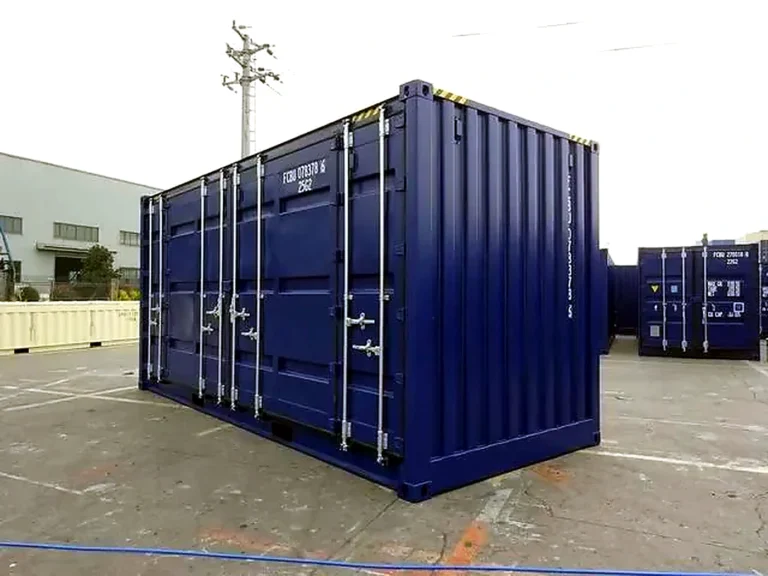
How Much Does a Shipping Container Cost in 2026?
If you’re planning to buy a shipping container in 2026, understanding current shipping container prices can help you choose the right option for your budget. Whether you need a container for personal storage, business inventory, construction equipment, or a custom project, the total cost depends on the container’s size, condition, location, and delivery requirements.
In the United States, used shipping containers can cost around $1,250 to $3,250 or more, while new or one-trip containers may range from approximately $2,500 to over $5,000, depending on size and specifications. These are indicative market ranges, and local prices may vary. <Cite refs={[“turn555621search1″,”turn555621search2”]}/>
This guide explains typical shipping container prices in 2026, the factors that influence costs, and how to get the best value when purchasing a container.
Average Shipping Container Prices in 2026
Shipping container prices vary depending on whether you choose a used unit, a new one-trip container, or a high cube model. The following ranges provide a general starting point for budgeting in the U.S. market.
| Container Size | Used Container | New or One-Trip |
|---|---|---|
| 20-foot standard | $1,250–$2,500 | $2,500–$3,500 |
| 40-foot standard | $2,000–$3,250 | $3,700–$5,125 |
| 40-foot high cube | $1,750–$3,000 | $3,700–$5,125 |
These are approximate base prices, not guaranteed quotes. Prices vary by condition grade, supplier, location, and available inventory. Delivery, taxes, and site preparation may cost extra. <Cite refs={[“turn555621search1″,”turn555621search2”]}/>
How Much Does a 20-Foot Shipping Container Cost?
A 20-foot shipping container is a popular option for homeowners, contractors, and small businesses because it offers useful storage capacity without requiring as much space as a larger unit.
In 2026, a used 20-foot container may cost approximately $1,250 to $2,500, while a new or one-trip unit may cost around $2,500 to $3,500. <Cite refs={[“turn555621search1″,”turn555621search2”]}/>
A 20-foot container can be suitable for:
- Tools and construction equipment
- Business inventory and supplies
- Household furniture and seasonal belongings
- Agricultural equipment and materials
- General-purpose storage on commercial properties
When comparing 20-foot shipping container prices, check the container’s condition and confirm whether the quoted price includes delivery.
How Much Does a 40-Foot Shipping Container Cost?
A 40-foot shipping container offers substantially more floor space than a 20-foot unit and can be a practical choice for businesses, warehouses, farms, and larger storage projects.
Typical 2026 base prices range from approximately $2,000 to $3,250 for a used standard 40-foot container. New or one-trip units may cost approximately $3,700 to $5,125. <Cite refs={[“turn555621search1″,”turn555621search2”]}/>
A 40-foot container is worth considering if you need to store large quantities of inventory, bulky equipment, building materials, or commercial supplies.
Although the initial price is higher, the additional capacity may offer better value when you need more storage space. Before ordering, make sure your property has sufficient space for placement and delivery.
How Much Does a 40-Foot High Cube Container Cost?
A 40-foot high cube container is approximately one foot taller externally than a standard-height container. The extra vertical space can be useful for tall equipment, stacked inventory, shelving, and certain container conversion projects.
Used 40-foot high cube containers may cost approximately $1,750 to $3,000, while new or one-trip models may cost around $3,700 to $5,125, depending on the market and specifications. <Cite refs={[“turn555621search1″,”turn555621search2”]}/>
When comparing high cube shipping container prices, consider both the additional storage capacity and the available delivery options. Confirm the actual internal dimensions if your equipment or project has specific height requirements.
What Factors Affect Shipping Container Prices?
Several factors determine how much you will pay for a shipping container in 2026.
1. Container Size
Larger containers generally have higher purchase prices, but they may provide a lower cost per square foot of storage. Compare the space you need with the total purchase and delivery cost before choosing a size.
2. New vs. Used Condition
New or one-trip containers typically cost more because they have less wear and tear. Used containers are often more affordable, but their condition can vary considerably.
Look for signs of corrosion, roof damage, water leaks, damaged door seals, and flooring problems before purchasing a used unit.
3. Container Condition Grade
Used containers may be sold as wind and watertight, cargo-worthy, or as-is. These grades describe different conditions and intended uses, so ask the supplier to explain the specific grade and any inspection documentation.
For general on-site storage, a suitable wind-and-watertight container may be sufficient. If you intend to transport cargo internationally, check the applicable cargo-worthiness and certification requirements.
4. Delivery Distance
Delivery is an important part of the total cost. A container stored at a nearby depot may be less expensive to deliver than one located far from your property.
Transportation charges depend on distance, delivery equipment, site access, and unloading requirements. Always request a delivered quote rather than comparing container prices alone.
5. Container Type and Features
Standard dry containers are generally less expensive than specialized units. Refrigerated containers, open-top containers, double-door models, and modified containers may cost more because of their features and equipment.
6. Location and Availability
Container prices can vary by region because of local inventory, depot availability, transportation costs, and market demand. Compare suppliers serving your delivery area to understand the options available locally.
How Much Does Shipping Container Delivery Cost?
The total cost of buying a shipping container includes more than the advertised container price. Delivery may be charged separately, and the amount depends on the supplier’s location and the requirements of your property.
Your final quote may include:
- Transportation from the depot to your site
- Specialized trailers or unloading equipment
- Additional handling or placement services
- Sales tax and applicable fees
- Ground preparation or foundation work
Ask the supplier to list these charges clearly. You should also confirm whether the delivery service places the container where you want it or simply unloads it at an accessible location.
Are Used Shipping Containers Worth Buying?
Used shipping containers can be an excellent option for buyers who want to reduce upfront costs. They are commonly used for general storage, construction sites, agricultural applications, and commercial inventory.
The key is to choose a container in a condition appropriate for your intended use. A lower-priced container may require repairs, while a better-maintained unit may offer greater value over time.
New or one-trip containers may be preferable if appearance, minimal wear, or a cleaner starting point for modifications is important.
Compare the purchase price, condition, expected maintenance, and delivery charges before deciding which option provides the best overall value.
How to Get the Best Shipping Container Prices in 2026
Use these practical tips to make your purchase more cost-effective:
- Compare multiple suppliers. Request quotes for the same size and condition grade.
- Consider used containers. A properly inspected used unit may meet your needs at a lower initial cost.
- Compare delivered prices. Include transportation, unloading, and additional fees in your budget.
- Inspect before buying. Ask for recent photos, inspection details, and an accurate description of the container’s condition.
- Choose the right size. Avoid paying for capacity you do not need, but ensure the container can accommodate future storage requirements.
- Confirm site access. Make sure the delivery vehicle can safely reach and unload at your property.
- Ask about available inventory. Suppliers may offer different sizes, grades, and conditions depending on their current stock.
Find the Right Shipping Container for Your Budget
Understanding shipping container prices in 2026 helps you plan your purchase with greater confidence. Used 20-foot containers can be a practical choice for everyday storage, while 40-foot containers and high cube models offer additional capacity for larger projects.
The best option depends on your storage requirements, preferred condition, budget, and delivery location. By comparing container specifications and requesting transparent, delivered quotes, you can make an informed decision and avoid unexpected expenses.
Whether you need a new or used shipping container, take time to compare available options and choose a reliable supplier that can meet your requirements.